The opening keynote at DTECH 2026 signaled a future for energy that is as bold as it is innovative. While past industrial revolutions were defined by steam and silicon, the 4th Industrial Revolution will be defined by intelligence. It’s indicative of larger societal shifts that will need to be powered in whole new ways, which is why utilities need to move beyond legacy planning and more toward agile delivery models.
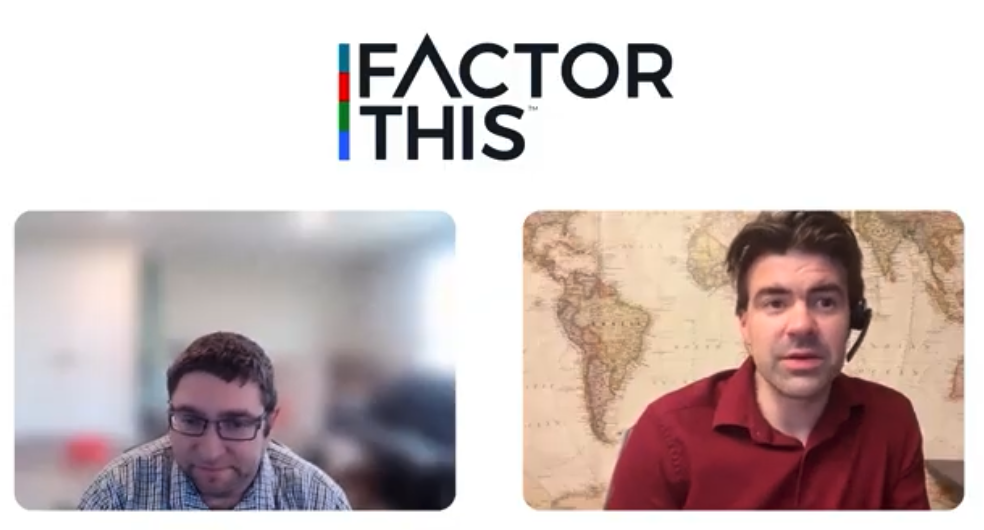
As digital, physical, and biological worlds come together, the strength of this revolution relies entirely on the foundational infrastructure supporting it, all of which is redefining what grid modernization efforts can and should look in the short and long term. To better understand this shift, we connected with Alex Rosenblatt, Director of Grid Modernization at WSP and a key member of the DTECH Northeast Planning Committee.
With a career spanning nearly a decade at Duquesne Light Company that saw him focused on everything from distribution planning to leading advanced DERMS strategies, Rosenblatt earned a reputation for pushing past “the way we’ve always done it” mindsets that he’s further showcasing at WSP. Watch the full video interview above or check out a few highlights from the conversation below.
Modernization as a Necessity Rather than a Choice
For Rosenblatt, grid modernization isn’t just a buzzword but is instead tied to the very tangible limitations of traditional distribution planning. Utilities are beginning to realize that success revolves around the IT infrastructure that allows planning to function in a radically different way.
“You can’t continue to just make wires bigger and transformers larger,” Rosenblatt said. “Everything in grid modernization is about people, processes, and technologies designed to make the grid more efficient and data-driven without simply driving up costs for the consumer.”
It’s a hierarchy that starts with the people who implement and operate the systems, which also represents the biggest challenge. Change is difficult no matter what, but it’s especially difficult when it’s disruption that upends expectations. Rosenblatt ns the current shift to moving from a paper map to a smartphone overnight. Without the proper support and training, tools that are designed to make things easier will actually make them harder, or simply not be utilized at all.
Redefining Utility/Customers Relationships and Expectations
The relationship between utilities and customers is in the midst of a major transformation. We’ve talked about how customer expectations are changing, and utilities need to change with them, but those changes are similarly not just about technology. Customers want to interact with their utilities in ways that could never have happened a few years ago, but success with any of these efforts depends on the information being utilized to drive and enable those connections.
“The data-driven model is what’s going to unleash all of the grid mod technology,” Rosenblatt told Factor This. “The more data you have access to and are willing to utilize, the easier all of these technologies become and the more you can do with it. The utility must have accurate, on-command data to meet those expectations.”
This shift is driving the adoption of AMI 2.0. Units predecessor, which primarily handled billing, AMI 2.0 brings waveform data to the grid edge. This allows utilities to identify exactly which appliances are drawing power, providing customers with information that can impact what they see in their bills. It’s the sort of transparency that will eventually be the expectation, rather than an exception.
Breaking Down Silos Isn’t About Technology
One of the most persistent challenges in the industry is the divide between Information Technology (IT) and Operations Technology (OT). Historically, IT has driven tech adoption, but grid modernization flips that script. In this new landscape, operations can act as IT’s customer, defining the specific functional needs of the grid that isn’t about what makes sense for each side, but how they can work together.
“It’s all about communication,” Rosenblatt said. “Every utility is going to have their own unique challenges. But if you’re willing to come to the table and have an open, honest discussion, you’ll most ly find common ground and be able to come up with a solution.”
By bringing together leaders from both sides, utilities can move away siloed workflows and processes toward holistic ones that are based on how people and systems actually function within the infrastructure.
A Data-Driven Future
The shift toward embracing a truly data-driven model is something that will be a big part of the content and conversations at DTECH Northeast. Some of those discussions will be focused on concerns with artificial intelligence (AI)-related job losses, but Rosenblatt views technologies AI not as a threat to the workforce, but as a vital partner.
“It’s 100% about augmentation,” Rosenblatt mentioned when talking about how AI is going to change workflows and processes. “It’s about taking massive amounts of data and making it transformative. As long as utilities use it to benefit the customer and increase efficiency, the future of the energy sector remains incredibly bright.”
Watch the full video interview here.
Sumber Artikel:
Renewableenergyworld.com