Listen to this commentary Please log in to listen to this commentary 0:00 / 0:00 Audio unavailable
COP16 also mobilized $12 billion for programs the Riyadh Global Drought Resilience Partnership, alongside expanded private-sector engagement through Business4Land. Now, two forthcoming Riyadh Action Agenda initiatives—Land & Soil Breakthroughs and the Community Platform—aim to accelerate progress as countries increasingly translate political commitments into national drought plans and land-degradation-neutrality targets.
The second sign is the progress made toward greater convergence among the Rio Conventions. For decades, the climate, biodiversity, and land agendas that emerged from the 1992 Rio Earth Summit advanced separately. Yet they are now increasingly seen as interconnected dimensions of a single planetary crisis—an understanding that is long overdue and essential to developing more integrated approaches to policymaking, finance, and implementation.

PS Deep Dive: Oligarchy
A collection of PS commentaries examining how a few individuals amassed unprecedented wealth—and how they are using it to dismantle democracy. Featuring insights from Cristina Enache, Brooke Harrington, James Livingston, Michael Madowitz, Ann Pettifor, Matt Simonton, and Quinn Slobodian.
Subscribe and 30%
COP16 reinforced this new thinking with a decision to strengthen collaboration among the Rio Conventions. The same trend is apparent across a wide range of initiatives, from the water, energy, food, and ecosystem nexus and various just-transition frameworks to more integrated sustainable-finance taxonomies.
Indeed, the momentum behind these new forms of collaboration continues to build. Both the Belém Joint Statement and the Antalya Dialogue on Rio Convention synergies signal growing recognition that 2026—when the United Nations Framework Convention on Climate Change, the UN Convention on Biological Diversity, and the UNCCD hold COPs within months of one another—offers a timely opportunity to align efforts to address the planetary crisis.
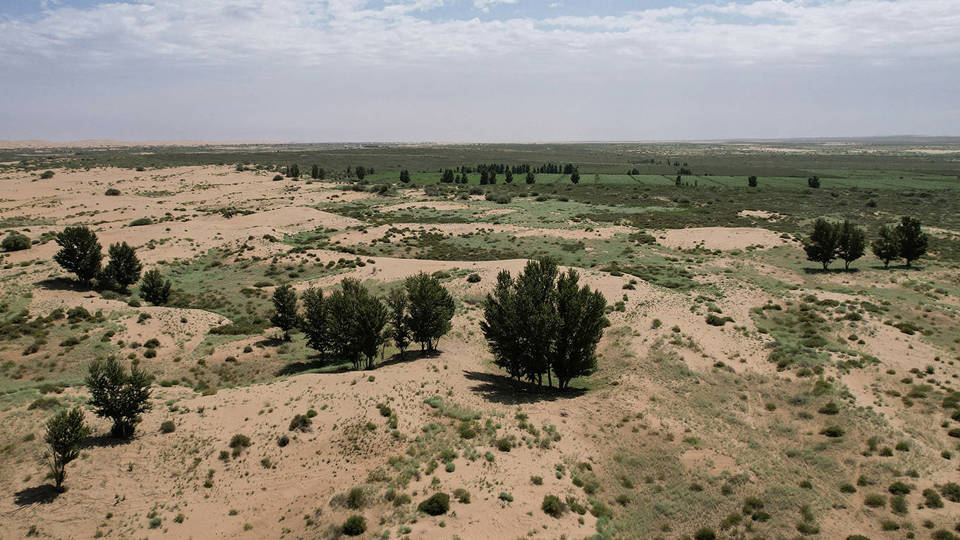
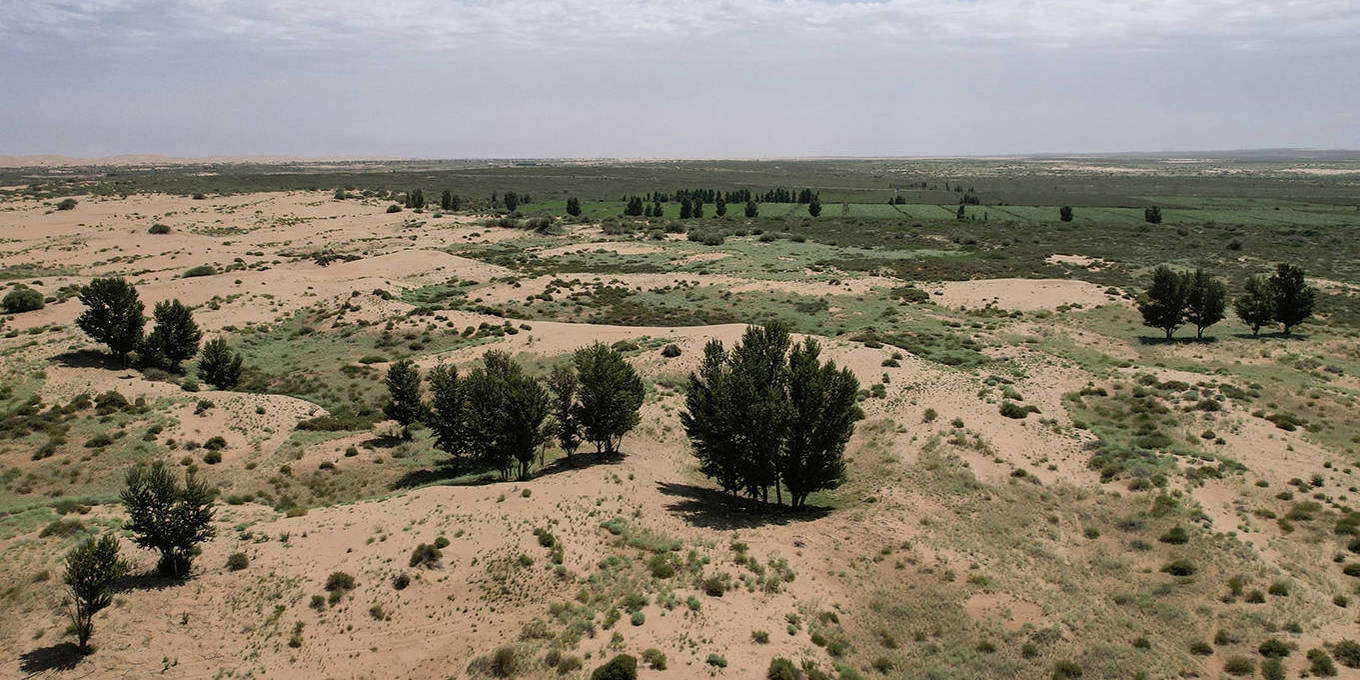
The third promising sign is the growing leadership role of developing and emerging economies. The UNCCD’s COP-hosting record reflects this shift. Since 2013, every biennial summit has been hosted by a developing or emerging economy, from Namibia and China to India and Côte d’Ivoire, with Egypt expected to host COP18. And national initiatives are reinforcing the same trend. Ethiopia’s Green Legacy Initiative, Pakistan’s Ten Billion Tree Tsunami, Saudi Arabia’s Saudi Green Initiative, and China’s Three-North Shelterbelt Program all demonstrate that large-scale restoration is achievable.
Then there is the growing ecosystem of global partnerships, from the Brazil-led Resilient Agriculture Investment for Net-Zero Land Degradation initiative to local networks advancing restoration and resilience across Asia, Africa, and Latin America. Together, these developments point to a new reality: developing and emerging economies are increasingly shaping the vision and driving the implementation of the global land agenda.
The fourth sign is the emergence of a new generation of large-scale restoration initiatives. Beyond national efforts, restoration programs are now operating across entire regions, joining a lineage that traces back to the 2011 Bonn Challenge, which aims to restore 350 million hectares of degraded and deforested landscapes by 2030. For example, the Middle East Green Initiative, backed by almost 30 endorsing countries, seeks to plant 50 billion trees and restore 200 million hectares.
At the same time, the Riyadh Global Drought Resilience Partnership works to shield the world’s 74 most drought-vulnerable countries. In Africa, the Great Green Wall is regaining momentum, with support from 22 countries, while Initiative 20×20 has rallied 18 Latin American and Caribbean countries around restoration commitments. Together, these initiatives demonstrate that restoration is no longer just a national undertaking but increasingly a regional and continental one.
The fifth sign is the mobilization of capital. After years of chronic underinvestment, finance for land restoration and drought resilience is beginning to scale up. Climate financing by multilateral development banks has increased in recent years, reaching a record $163 billion in 2025, some of which benefits land and promotes drought resilience.
More importantly, the financing model is evolving rapidly. Initiatives such as the Middle East Green Initiative and the Riyadh Global Drought Resilience Partnership are designed to use strategic public funding to unlock far larger pools of concessional and private capital. Innovative vehicles are accelerating this shift. Luxembourg’s Drought Resilience Investment Facility aims not only to fund drought resilience but to build a viable market for it. And private-sector coalitions such as Business4Land, together with instruments such as thematic bonds and resilience credits, are helping redefine healthy land as a productive asset capable of generating economic, social, and environmental returns.
While much remains to be done, it is clear that the global land agenda has reached a turning point. The question is no longer whether large-scale land restoration is possible but whether governments, institutions, and investors can move quickly enough to convert unprecedented momentum into action before the costs of delay become prohibitive.
Featured
-
The Epstein Class Was Made Offshore
Jul 22, 2026 Brooke Harrington
-
America Is Closing the Door on Opportunity—and Talent
Jul 22, 2026 Pinelopi Koujianou Goldberg
-
Yes, the Hong Kong of Old Is Over
Jul 23, 2026 Stephen S. Roach
-
What Ukraine’s Success Means for the West
Jul 24, 2026 Chrystia Freeland
-
Large Language Models for Small Language Communities
Jul 22, 2026 Vivek Badrinath
https://prosyn.org/LqIw46s
It appears that you have not yet updated your first and last name. If you would to update your name, please do so here.
Please wait, fetching the form
Please wait, fetching the form
Please wait, fetching the form
Please wait, fetching the form
Please wait, fetching the form
Please wait, fetching the form
Please wait, fetching the form
Sumber Artikel:
Project-syndicate.org