

By Ben Gran – Apr 17, 2026 at 11:11PM EST
Key Points
-
The S&P 500 index reached record highs on April 16 despite the volatility of the Iran war.
-
Fidelity research shows that most recent wars have not had a significant long-term impact on the stock market.
-
Recent S&P 500 earnings estimates and profit margins give strong reasons for optimism about U.S. stocks.

Image source: Getty Images.
Wars (mostly) do not damage the stock market
War causes terrible human suffering to the people involved, but the economic consequences to the rest of the world are often limited. Investors often get fearful when a war starts, and wars can cause short-term volatility in stock prices. But in the long run, the stock market tends to adjust to the news headlines and keep moving up for unrelated reasons.
According to research from Fidelity, a close connection doesn’t exist between recent wars and long-term stock market performance. This seems to hold true whether a conflict involves smaller countries Kosovo or Iraq, or major exporters of energy and food, Russia and Ukraine. For example, ever since Russia invaded Ukraine in February 2022, the S&P 500 is up by more than 60%.
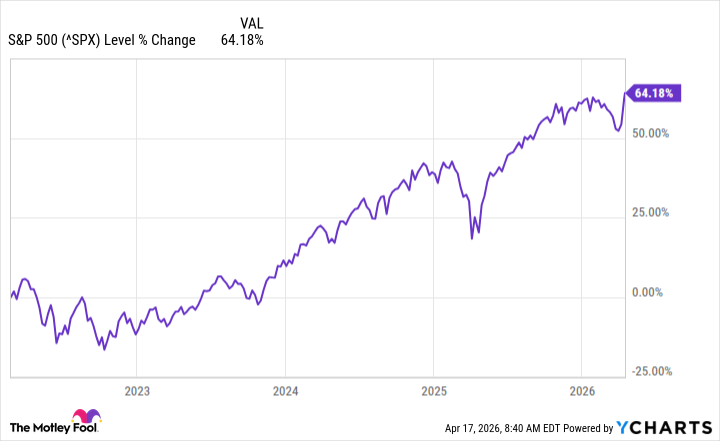
This general historical trend is a powerful reason why selling stocks based on war headlines is often a bad move for long-term investors. Most wars are relatively “small” compared to the global economy.
Wars don’t always hurt corporate earnings
Another big reason not to sell stocks during a war is the importance of corporate earnings. Wanting to own a of future corporate profits is the biggest reason to buy stocks. And most of the time, wars don’t stop companies from earning money.
The Iran war has shown the world frightening video footage of drone strikes on buildings, and oil and gas infrastructure on fire. The oil companies that own that energy infrastructure might face a short-term hit to their profitability. But there is plenty of good news happening for other companies throughout the global economy. Most companies are not affected by the latest destructive conflict in the world.
According to Bloomberg, Wall Street analysts expect 12% earnings growth from the S&P 500 for the current quarter. Fidelity research says that S&P 500 profit margins were at new highs of 15% as of early April.
Bonds and cash are not always “safer” than stocks
Even if you decide to sell stocks because it feels the world is in turmoil and you fear for the future of the economy, where else will you put your money? Bonds are not always a safe haven during times of war.
For example, the U.S. 10-year Treasury bond yield went up from 3.95% on Feb. 27 before the Iran war to 4.44% on March 27. When bond yields go up, bond prices go down. The price of the Vanguard Total Bond Market Index Fund ETF (BND +0.39%) declined by about 3% in the month after the Iran war started.
Expand

NASDAQ: BND
Vanguard Total Bond Market ETF
Today’s Change
(0.39%) $0.29
Current Price
$74.06
Key Data Points
Day’s Range
$74.01 – $74.15
52wk Range
$71.76 – $75.23
Volume
5.8M
Wars tend to be bad for bond investors because they’re expensive and lead governments to borrow more.
What about selling stocks and moving your money into cash? If you move to cash, your money won’t grow. Even the best high-yield savings accounts these days are only paying about a 4% APY. That rate might help your money barely stay ahead of inflation, but it won’t grow enough to help you reach your long-term financial goals.
History doesn’t always repeat itself. The world is unpredictable and the future is unwritten. But based on past trends and the current state of the stock market, the most reasonable, level-headed move for most stock investors during times of war and geopolitical turmoil is to just hold on to your stocks.
Don’t sell stocks based on panic or an overreaction to daily news, no matter how distressing. The war news headlines ly won’t lead to long-term hits to your portfolio. Selling stocks too soon for the wrong reasons can cause you to miss out on big future opportunities.
Read Next
•By Adam Spatacco

•By Jeremy Bowman
1 ETF That Could Soar If the Strait of Hormuz Stays Open

•By Ben Gran
The Iran War Didn’t Break the Market — 3 Lessons About Time in the Market

•By Emma Newbery
Stock Market Today, April 17: Oil Prices Drop As Strait of Hormuz Reopens
•By Anthony Di Pizio
Meet the Glorious Gold ETF Crushing the S&P 500, the Nasdaq-100, and the Dow Jones in 2026

•By Jennifer Saibil
While U.S. and Iran Peace Hangs in the Balance, the S&P 500 Hits New All‑Time High
About the Author

Ben Gran is a contributing analyst at The Motley Fool, covering publicly traded companies in consumer goods, technology, transportation, industrials, materials, and energy. He is a longtime freelance finance writer with 15+ years of experience writing for publications Forbes Advisor, Motley Fool Money, and Business Insider, and corporate websites of Prudential and regional banks. Ben also ghostwrites books and bylines for CEOs and other business thought leaders. He earned his B.A. in History from Rice University. Ben is an avid international traveler and has visited 12 countries (and counting).
Sumber Artikel:
Fool.com

