LeadershipLeadership Strategies
ByShep Hyken,
Contributor.
Forbes contributors publish independent expert analyses and insights.
Shep Hyken is a customer service/CX expert, author & keynote speaker.
–:– / –:–
This voice experience is generated by AI. Learn more.
This voice experience is generated by AI. Learn more.
Summary
Disney’s renowned guest experiences are intentionally crafted, not accidental, as exemplified by Cheryl Christensen’s 37-year career. Rising from bussing tables to leadership, she learned firsthand guest needs in roles Guest Communications. Disney’s success stems from a powerful culture that engages employees, fostering a “magic” felt by customers. Leaders are crucial, identifying and nurturing employee potential. Critically, Disney doesn’t just collect feedback; it actively responds, often within days, closing the loop with guests. This commitment to investing in people, listening intently, and acting on feedback drives continuous improvement, proving that exceptional service is a deliberate outcome of strong leadership and a responsive culture.
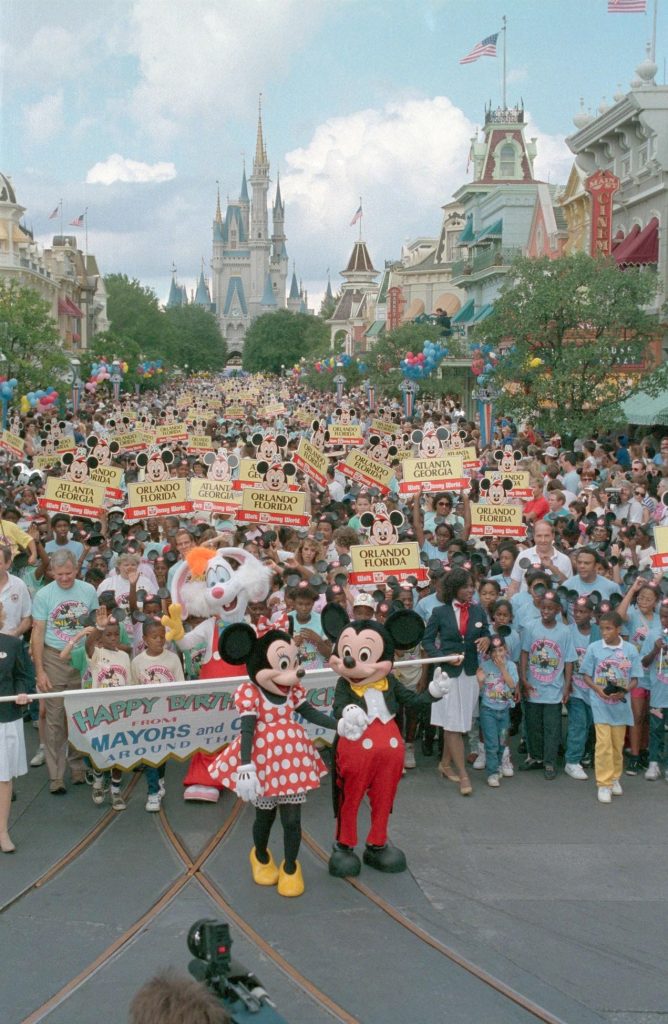
Disney ranks #28 on Forbes’ 2026 list of America’s Best Employers for Company Culture. getty
Disney doesn’t create great guest experiences by accident. It creates them by developing people who understand guests from the ground up.
Cheryl Christensen spent 37 years at Disney, where she started out bussing tables and dumping trash, and, in her words, learning from “a ton of incredible guest experiences” before working her way through many roles, including director of learning and development and director of HR services.
With a passion for guest service, she eventually landed a position at Disney’s Guest Communications, a department that handles guests’ complaints and concerns. She learned firsthand what irritated and what delighted guests. As part of the Total Guest Satisfaction team, she worked with about 25 team members each week to talk about the guest experience and what they were seeing, both good and bad. Recommendations were brought to Paul Pressler, who at the time was Disneyland president (and eventually was promoted to chairman of Walt Disney Parks and Resorts). He acted on that feedback, which led to an even better guest experience.
I had a chance to interview Christensen for an episode of Amazing Business Radio, where she d some of what she learned in a career filled with passion and purpose. Here are a few of the lessons she d in the interview:
Hooked by the Culture of the Company
Talking about her first job at Disney, Christensen said, “It’s really easy when you get infected with the kind of (Disney) magic, and you want to do more and find different ways to contribute.” Disney is consistently recognized for its culture and ranks 28th in the 2026 Forbes list of America’s Best Employers for Company Culture.
Culture isn’t just about employee engagement. It’s about creating an environment where employees are excited to come to work and do their best. What happens inside an organization is felt by customers on the outside. When employees love the company they work for, are respected for the job they do, are given opportunities to advance, and admire their leaders, to use a word often used by Disney, magic happens.
MORE FOR YOU
Great Leaders See Potential Before Employees Do
Finding the right role for an employee is about hiring the right person to begin with. The best organizations don’t just hire well. They continually look for people’s strengths and help them move into roles where those strengths can flourish. Even more than hiring for attitude, hiring for a cultural fit is crucial. Christensen talked about how her boss recognized her undiscovered talents and coached her. “His philosophy about service and servant leadership is truly formative in the person I am today,” said Christensen. Eventually her talents were noticed, and she was promoted into roles that best aligned with her passion to serve.
Don’t Just Collect Feedback—Respond to It
As part of the Guest Satisfaction Team, Christensen heard direct feedback from her guests. I asked if she ever got back to the guest to “close the loop” on the feedback. The answer is something every company should learn to do. Christensen said, “One hundred percent, and usually within a day or two. Most of the time it was a phone call, thanking them for taking the time to give feedback.”
Unfortunately, most companies stop after collecting feedback. Disney treated feedback as the beginning of a conversation, not the end of a survey. That’s what many companies are missing.
My annual CX research aligns with this concept, finding that 65% of American consumers never hear back from a company after sharing feedback in a survey. As a result, 40% of customers say they have stopped doing business with a company because they didn’t receive feedback on their comments. The lesson is to, at a minimum, acknowledge the feedback and thank the customer. Even better is to how the feedback is being used.
Final Words
Christensen’s career proves that great customer experiences don’t start with policies or training manuals. They start with leaders who invest in people, listen to customers and never stop looking for ways to improve. That’s how someone who started out bussing tables ends up helping to shape the culture of one of the world’s most admired brands.
(After a 37-year Disney career, Christensen has returned to Tulsa, where she was born, and is currently the SVP of operations and programming at The Gathering Place, a 66-acre community park that is a “vibrant and inclusive community space that engages, educates and excites.” Her lessons learned at Disney serve her well.)
Editorial StandardsReprints & Permissions
LOADING VIDEO PLAYER…FORBES’ FEATURED Video
Explore Topic
Sumber Artikel:
Forbes.com