Stress Took A Toll On My Hair — Here’s How I’m Rebuilding It

Author:
November 24, 2026
Assistant Health Editor
Assistant Health Editor
Ava Durgin is the former Assistant Health Editor at mindbodygreen. She holds a B.A. in Global Health and Psychology from Duke University.

Image by Ava Durgin x mbg creative
November 24, 2026
We carefully vet all products and services featured on mindbodygreen using our commerce guidelines. Our selections are never influenced by the commissions earned from our links.
As someone who washes her hair once a week, I’m used to seeing a decent amount of hair come out on wash day. When you have curly hair and go six or seven days between washes, the strands you naturally shed throughout the week tend to stay tangled in your curls until shampoo day. So, yes, there has pretty much always been a small handful of hair plastered to the side of my shower after my weekly everything shower.
But about two months ago, that handful became handfuls.
And it wasn’t just happening in the shower anymore.
I was pulling what felt an alarming amount of hair out of my brush, sometimes cleaning it every single time I brushed my hair. I started noticing strands around my apartment, on my clothes, and collecting in places I had never really paid attention to before.
At first, I tried to tell myself I was imagining it. Then came the weekly ritual of staring at the hair in my hands and trying to decide whether this was a normal amount.
Eventually, the worry set in.
When my hair became impossible to ignore
The irony is that, despite spending most of my days thinking and writing about health, my hair had always been a bit of an afterthought. I cared about it, of course, but I didn’t think about its health in the same way I thought about my skin, muscles, sleep, or nutrition. My hair was thick. It grew. It was there.
Looking back, I absolutely took that for granted.
Then I went through an unusually stressful stretch in my personal life, ed almost immediately by getting sick. My appetite took a hit. My exercise routine had still been pretty intense. And suddenly every shower came with a new sense of dread. Which, naturally, sent me down a rabbit hole.
So I started digging into the research
What nutrient deficiencies cause hair loss? What is the difference between hair loss and hair shedding? Could stress really make this much hair fall out? Would it grow back? Should I start minoxidil? Do I need a scalp serum? Red light therapy? More protein? Iron? Vitamin D?
I generally try not to open the Pandora’s box of health anxiety, especially because I know firsthand how easy it is to turn one symptom into 27 browser tabs. But I was already in a vulnerable place, and watching my hair seemingly disappear in front of me became the nail in the coffin.
What finally made me feel a little better was realizing just how many people go through some version of this.
After hours of research, podcasts, conversations, and testing more hair products than I ever expected to own, I started to understand what was ly happening and, more importantly, what I could actually do about it.
So this is the hair-loss guide I wish I had when I first started pulling those handfuls out of my shower drain.
First, hair shedding & hair loss aren’t exactly the same thing
This distinction made me feel significantly better once I understood it. We all shed hair every day as follicles naturally move through their growth cycle. The problem is when substantially more follicles than usual shift into the shedding phase at once.
One common example is telogen effluvium, a form of diffuse shedding that can happen after the body experiences a significant stressor. That stressor doesn’t necessarily have to be emotional, either. Illness, rapid weight changes, under-fueling, hormonal shifts, nutrient deficiencies, surgery, and major psychological stress can all potentially disrupt the normal hair-growth cycle.
Hair loss, meanwhile, is a broader category. It can include genetic thinning, hormonal hair loss, autoimmune conditions, traction alopecia from repeated tension, inflammatory scalp conditions, and other issues that may require more targeted treatment.
There’s obviously overlap, which is exactly why persistent or significant changes are worth bringing to a dermatologist or another qualified provider. For me, though, understanding that excessive shedding can be the body’s delayed response to stress helped a lot of pieces click into place.
RELATED READ: Hair shedding vs. hair loss: How to tell the difference
Hair health is often a reflection of what’s happening everywhere else
One of the most useful things I’ve learned through this process is that hair is not operating in isolation. Growing hair is incredibly metabolically active, but it also isn’t essential for immediate survival.
If your body senses that resources are limited or that it’s under significant physiological stress, hair growth can become lower on the priority list. That is why nutrition matters so much here.
Protein provides the amino acids needed to build keratin, the primary structural protein in hair. Iron is involved in oxygen delivery and cellular function. Vitamin D, zinc, B vitamins, essential fatty acids, and other nutrients all play different roles in follicle health and growth.
That doesn’t mean throwing every trendy “hair vitamin” into your supplement cabinet. In fact, blindly supplementing certain nutrients can be counterproductive. If you’re experiencing significant shedding, getting appropriate bloodwork and identifying actual deficiencies is a much better starting point than guessing.
For me, the bigger realization wasn’t that I needed some obscure hair-growth nutrient. It was that stress tends to make me lose my appetite. And when life gets busy or emotionally difficult, it becomes very easy for me to keep moving, working, exercising, and doing everything I normally do while unintentionally eating less than I normally would.
That combination—high stress plus lower energy intake plus exercise—isn’t exactly an ideal environment for hair growth. So before I bought another serum, I started looking at the bigger picture.
RELATED READ: A Long List Of Ways To Combat Hair Loss According To The World’s Top Experts
I stopped treating my hair the problem
This was probably the most important shift I made.
My initial instinct was to attack the symptom: Find the best shampoo. Order the scalp serum. Research red-light devices. Figure out whether I should start minoxidil. But if stress and illness helped trigger the shedding in the first place, I knew I also needed to create an environment where my body actually felt supported again.
So my “hair routine” started looking surprisingly un-hair-related.
One of the simplest changes I made was adding more nervous system support throughout the day. Sometimes that was literally just stopping what I was doing, unclenching my jaw, dropping my shoulders, and taking a few slow breaths.
I also prioritized sleep aggressively. I already care a lot about my sleep routine, but I became even more protective of winding down at night and getting enough total sleep instead of squeezing one more thing into the day.
I pulled back on high-intensity exercise temporarily. Movement is one of the main ways I manage stress, so I wasn’t interested in stopping altogether. But I did ask myself whether every workout needed to be hard.
And most importantly, I made sure I was eating enough. Not eating perfectly. Not finding the perfect “hair-growth diet.” Just consistently giving my body enough energy, carbohydrates, protein, and fat to support everything I was asking it to do.
RELATED READ: A Physician-Approved Grocery List For Hair Loss & Regrowth
Then I started taking my scalp seriously
Once I had addressed the fundamentals, I started paying more attention to what I was actually putting on my scalp. Until this point, most of my hair care had been focused on the hair itself: Is my hair frizzy? Do my curls look good? Are my ends dry?
But healthy hair, ultimately, starts at the scalp.
This led me to OneSkin’s scalp serum, which I started applying consistently. The formula contains the brand’s OS-01 peptide and is designed to support the scalp environment and improve the appearance of hair density and thickness over time.
The brand reports that 81% of participants in its testing saw at least a 40% improvement in visible hair density after six months1. I’ve been using it for a much shorter period than that, so I’m not quite at the point where I can credit it with any major regrowth.
And that’s something I had to remind myself of throughout this whole process: Hair takes time. Most of the changes you’re hoping to see happen over months, not days or weeks.
For now, the biggest benefit has simply been getting into the habit of caring for my scalp consistently. Instead of only thinking about my hair once a week on wash day, I’m treating scalp care a little more skin care, something that works best when you’re actually consistent with it.
RELATED READ: Our Full Guide To Scalp Care, Expert Tips + Tricks Included
OneSkin
Hair Scalp Serum
$62

I also added red light therapy
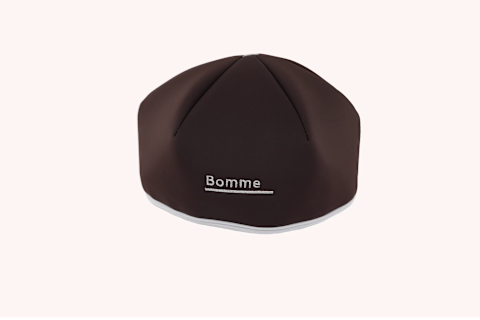
This was probably the product category I became most curious about during my research. I started using the Bomme LED Red Light Device, a wearable cap that delivers red and near-infrared wavelengths (660, 730, and 850 nanometers) across the scalp for 15-minute sessions.
The concept behind light-based treatments for hair is photobiomodulation, or using specific wavelengths of light to influence cellular activity. Low-level light therapy has been studied for certain forms of hair loss, particularly androgenetic alopecia, and there is evidence suggesting it may help support follicle activity and hair density in some people.
I that this is an easy treatment to stack with something else. Fifteen minutes is enough time to answer emails, clean up the kitchen, or watch part of a show, which makes consistency much more realistic.
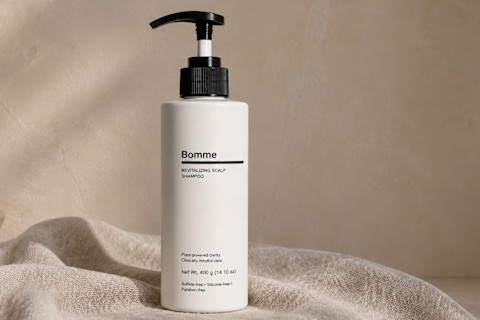
I’ve also been using Bomme’s Revitalizing Scalp Shampoo, which contains its BLH308 botanical complex with persimmon leaf, green tea, and sophora fruit. According to the brand’s clinical testing, consistent use was associated with reduced shedding after four weeks, as well as improvements in scalp soothing.
I wouldn’t credit the shampoo with stopping my shedding, but it became another easy way to be more intentional about scalp health.
Bomme
LED Red Light Device
$299
Bomme
Revitalizing Scalp Shampoo
$49
I started protecting the hair I still had, too
Once I started paying closer attention to my hair, I realized I couldn’t just focus on what was happening at the root. Protecting my existing hair from breakage became just as important as supporting new growth.
You can support the follicle all you want, but if the hair shaft is dry, damaged, and snapping halfway down, your hair still isn’t going to look as full or healthy as it could. This is especially relevant for me because my hair is naturally curly. Curls tend to be more prone to dryness and tangling, and detangling can quickly turn into breakage if I’m not careful.
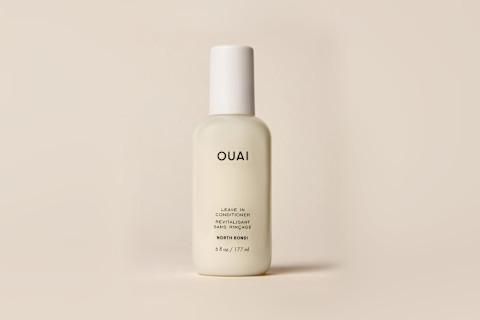
I’ve been using OUAI’s Leave-In Conditioner to make detangling easier and protect my hair from heat when I style it. The formula is designed to reduce breakage while adding slip, which has made brushing my hair feel considerably less violent. (I’ve been loving their North Bondi scent). I’ve also added the Bond Repair Balm, a quick in-shower treatment designed to help repair damage from heat, color treatment, breakage, and split ends.
Rather than treating stress-related shedding at the follicle, these products are helping me protect the hair I have while the rest of my routine focuses on the scalp and growth cycle.
OUAI
Leave-In Conditioner
$32
And yes, colostrum stayed in my routine
body & beauty colostrum+
★ ★ ★ ★ ★
★ ★ ★ ★ ★
(1)

I’ve written before about my experience taking mindbodygreen’s body & beauty colostrum+, and I continued using it throughout this period.
I don’t think of colostrum as a direct hair-growth supplement. Instead, I see it as supporting some of the systems that can indirectly influence how well your body (and by extension, your hair) handles stress.
Colostrum naturally contains immunoglobulins, lactoferrin, growth factors, and bioactive peptides that support gut, immune, and tissue health. The formula also includes Ovoderm eggshell membrane, which provides naturally occurring collagen, hyaluronic acid, and elastin. Those compounds are better studied in the context of gut integrity, immune function, skin, and connective tissue than direct hair regrowth.
I think of it as one supportive piece of the routine rather than the thing doing all the heavy lifting. And because I’m much more ly to stick with something when it actually tastes good, this 2-minute vanilla colostrum cold foam is still my favorite way to take it.
What I’ve noticed so far
The biggest change is also the simplest one: I’m shedding significantly less hair.
My shower no longer ends with the same alarming pile stuck to the wall. I don’t need to clean my brush constantly. I’m not finding nearly as many strands throughout my apartment. That alone has been a huge relief.
But I’ve noticed some unexpected improvements, too.
As my shedding decreased and I became more intentional about conditioning, detangling, scalp care, and limiting damage, my curl pattern started looking more defined. My hair has more volume. It feels healthier overall.
Am I back to where I was before this all started? Not completely. And I’m actually okay with that. Hair operates on a timeline of months, not days. New growth has to emerge from the follicle and then physically grow long enough for you to see a meaningful difference in density.
So right now, I’m thinking less about getting my old hair back overnight and more about creating the conditions for healthy hair six months from now.
The biggest lesson had very little to do with hair
Until I started losing it, I never realized how much of my hair health I had simply assumed would always be there.
I put sunscreen on my face because I’m thinking about my skin 10 years from now. I strength train because I’m thinking about my muscle and bone health decades from now. I care about protein, sleep, cardiovascular fitness, and recovery because I don’t want to wait until something goes wrong to start paying attention.
For some reason, I had never given my hair the same consideration. But now I do. And strangely, I’m glad this experience forced me to.
Not because losing hair was fun—it absolutely was not—but because it changed the way I think about hair care. I’m no longer just trying to make my curls look good the day I wash them. I’m thinking about my scalp, nutrient intake, stress levels, breakage, and how the seemingly unrelated things I do every day can show up several months later on my head.
The takeaway
If you’re currently standing in the shower looking at a handful of hair and panicking, I understand. I also know the temptation to order six products before you’ve even gotten out of the bathroom.
But if there’s one thing this experience taught me, it’s that hair shedding deserves a wider lens. Yes, serums, scalp treatments, red light therapy, and better hair care can all have a place in your routine. But don’t skip the less exciting questions.
Have you been under more stress than usual? Were you sick a few months ago? Are you eating enough? Has your weight changed? Could you be low in iron or another key nutrient? Are you sleeping? Has anything changed hormonally? Are you repeatedly pulling or damaging your hair?
And if the shedding is severe, persistent, patchy, or otherwise concerning, bring in a professional. You don’t have to solve the mystery alone.
Two months ago, I was fixated on every strand I lost. Now, I’m paying much more attention to everything I’m doing to support the strands that will hopefully be growing in next. And I have a feeling I won’t take them for granted again.
body & beauty colostrum+
★ ★ ★ ★ ★
★ ★ ★ ★ ★
(1)
★ ★ ★ ★ ★
★ ★ ★ ★ ★
(1)
1 Source
Advertisement
This ad is displayed using third party content and we do not control its accessibility features.
Sumber Artikel:
Mindbodygreen.com