Rating:
9/10
WIRED
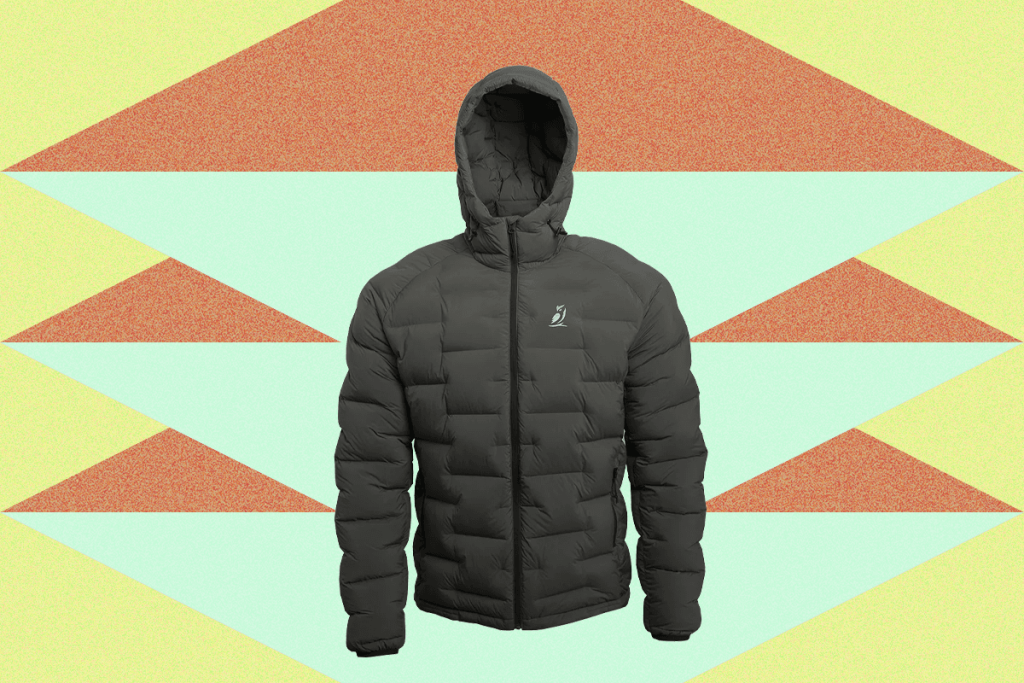
Excellent warmth-to-weight ratio. Lightweight for how warm it is. ExpeDry down stays drier. Zero stitch fabric resists dust, wind, and rain. Hood and hem cinches keep out drafts. Doesn’t look a shiny, overly technical jacket.
TIRED
Not the warmest jacket you’ll ever own. No stuff sack and doesn’t pack into pocket.
Every winter I test puffer jackets in the cold of northern Wisconsin, near Lake Superior. While the lake spares this area much of the bitter cold, temperatures regularly drop well below zero at night. We have weeks where daily highs are in the single digits Fahrenheit.
If that sounds miserable to you its because you don’t have the clothes to deal with it. In order to get outside and do anything in these conditions you need good gear. Every winter there is always one standout jacket that is much more impressive than the rest and I end up spending all winter in it. Rab’s Glaceon Pro fits this bill, as does Fjällräven’s Expedition Down jacket.
This winter, the standout was a new jacket from Outdoor Vitals, the Vantage Alpine Down Jacket. It’s not intended to be as warm as those above, but instead is the perfect ultralight shoulder season jacket that can get you through winter if you know how to layer.
Off a Duck’s Back

Photograph: Scott Gilbertson
Outdoor Vitals is a tiny Utah-based company focused on technical outdoor gear, designed especially for the ultralight hiking and backpacking community. However, having used a few of the company’s products over the year, I would say that Outdoor Vitals is rarely the lightest option in any given category. Instead, it trades a little weight to make a more robust product, a tradeoff that the Vantage Alpine jacket makes in a few places.
The Vantage is a puffer jacket that’s warm enough for alpine environments in spring and fall, without make it so heavy and bulky that you’d need a Sherpa. The Vantage is designed to provide maximum thermal efficiency for as little weight as possible, in this case 15.2 ounces for a men’s medium (16 ounces for the large I tested). Prior to using this jacket, I would have been skeptical that you could make a truly warm jacket this and keep it under a pound, but Outdoor Vitals has done it, thanks to a couple of high-tech innovations.
Have you ever noticed that a down jacket seems warmer when you first put it on than at the end of the day? It’s not your imagination. As down collects humidity during the day (from you sweating) it loses its loft, and therefore its ability to trap your body warmth. Your jacket really is less effective at the end of the day.
This doesn’t happen to ducks and geese because they are continually preening their feathers with oil from a gland on the their bodies. The process of getting down into your garment usually removes this oil, leaving the down more vulnerable to moisture. To stop down from absorbing moisture, the outdoor industry has developed what’s called hydrophobic down. Hydrophobic down is treated with various kinds of water resistant waxes and chemicals. I’ve found most hydrophobic downs to be better than nothing, perhaps, but not significantly different than non-coated down.

Photograph: Scott Gilbertson
The Vantage jacket uses ExpeDry down, which, instead of a chemical coating, uses a process that embeds gold nano particles within the structure of the down. The natural water repellent properties are retained, but the gold breaks up the hydrogen bonds in water. This prevents droplets from forming and speeds evaporation, which in turn keeps the down dry so it can maintain better loft even in high humidity conditions—for example, when you’re hiking or climbing and sweating.
I’ll confess I would have a nerdy admiration for ExpeDry down even if it didn’t work, just for its use of basic chemistry, which even I dimly remember from high school but for some reason never made it into a product until recently. What’s even better is that it does work.
I don’t have a lab, and I’m not particularly interested in what happens in one anyway, but I am a backpacker, living in a cold climate, with a deep disfor being cold. In the real world, where I live, if your jacket loses loft and you get cold, bad things happen. In my testing, the Vantage jacket loses almost no loft throughout the day, even when I am active and sweating in it.
Better Than DWR?

Photograph: Scott Gilbertson
Outdoor Vitals is not the first to use ExpeDry. Marmot, Katabatic Gear, and many others also have various sleeping bags and jackets with ExpeDry down, but the Vantage is the first time I have noticed a real difference. The Vantage has less fill than several other puffer jackets I wear regularly, yet keeps me just as warm, if not warmer, thanks in part to very little loss of loft throughout the day.
Proponents of ExpeDry also claim that it will last longer than DWR coated down (whether chemically coated or wax coated) just because it’s not coated, and therefore will retain its loft longer. I haven’t used any ExpeDry down products long enough to put this to test yet, but based on my experience with the Vantage Alpine jacket and the way it holds loft under adverse conditions, this claim makes sense.
The second thing that Vantage uses to mitigate heat loss is Outdoor Vital’s Nova Zero Stitch fabric, which, as the name suggests, uses no stitches. There are still baffles to keep the down in place, but instead of punching thousands of little holes as you would stitching, the baffles and other seams are woven into the fabric. Where the conventional method has an inner and outer fabric that is then either stitched (or bonded/welded), the Zero Stitch fabric is two pieces that are woven together. It’s hard to visualize how this works, but Outdoor Vitals put out a video to explain.
The Zero Stitch fabric does a couple things for the Vantage. First, it helps stop wind. Second, it stops dust and water, particularly dust, which is one of the biggest reason down breaks down over time and loses loft. That means the jacket should, all other factors being equal, last longer than a stitched jacket. The fabric itself is 15D nylon, which helps keep weight down, but is not so light you need to worry about every branch snagging it. I also that the fabric is matte rather than the shinier look of most technical jackets.

Photograph: Scott Gilbertson
While the Vantage is what I would call an ultralight shoulder season jacket, it is not so ultralight that it eschews zippers and pockets. There are two pockets in front, and inner drop pockets. The hood and hem have drawstrings so you can cinch them down, and the elastic on the cuffs stops drafts at the arms.
It has great water resistance but it is definitely not a rain jacket. I wore it in pretty heavy snow around my house and it was fine, but you would definitely want a shell over it when heading into the backcountry. At one pound for a men’s large, this is also not a summer ultralight jacket. With 7.5 ounces of 850 fill-power-down, you’d probably be way to hot in this thing in summer anyway, even if you’re at high altitudes.
The Vantage really works best as an ultralight shoulder season puffy, for those early May trips that you thought were going to be warm but then you woke up and there was snow covering the tent. It also great for trips where you’re not hiking all time, either because you’re not doing high miles or you’re hunting or photographing early morning—any time where you’re spending more time static and need the extra warmth.
All that said, this jacket is capable of more if you properly layer. I did a winter trip at the end of 2025 with daytime temps around 15F and nights below zero. I used the Vantage as a second, heavier midlayer when I stopped in the evenings. Paired with two base layers, a fleece, a lightweight down jacket, and an outer shell it was plenty warm even when the temps dropped below zero. This system kept me toasty throughout the trip and d considerable weight compared to a single, heavier jacket.
Sumber Artikel:
Wired.com