Close Banner

Author:
September 08, 2026
Registered Dietitian Nutritionist
Registered Dietitian Nutritionist
Molly Knudsen, M.S., RDN is a Registered Dietician Nutritionist with a bachelor’s degree in nutrition from Texas Christian University and a master’s in nutrition interventions, communication, and behavior change from Tufts University. She lives in Newport Beach, California, and enjoys connecting people to the food they eat and how it influences health and wellbeing.

Image by Clique Images / Stocksy
September 08, 2026
Oxidative stress. It’s a word mentioned a lot when talking about about chronic disease or the benefits of antioxidants. But what is it exactly? Oxidative stress is a biological process that happens when the body produces more reactive oxygen species1 (ROS) than it can effectively neutralize.
ROS are unstable molecules that form naturally during metabolism. In small amounts, they serve important functions, helping regulate cell signaling, immune defenses, and adaptation to exercise. Problems arise when ROS accumulate faster than the body’s antioxidant systems can keep up.
Over time, this imbalance can damage cells, proteins, lipids, and DNA. It can also activate inflammatory pathways throughout the body—creating a cycle where oxidative stress fuels inflammation and inflammation generates even more oxidative stress. Over time, this feedback loop may contribute to accelerated aging and the development of cardiometabolic, cognitive, and other chronic health concerns2.
While some oxidative stress is unavoidable, many of the factors that increase it are modifiable. Here are 6 factors that can drive excess oxidative stress (and how you can improve them to reduce some of that burden).
1.
Poor metabolic health
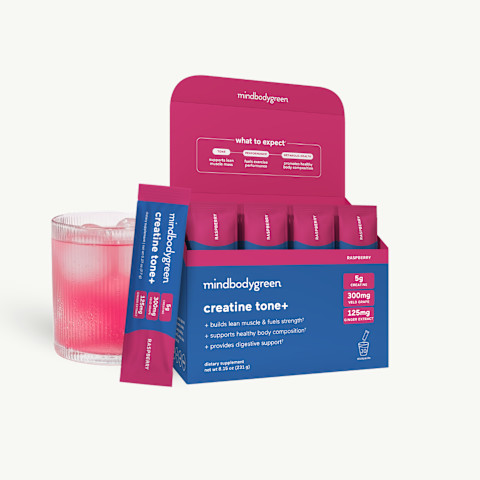
creatine tone+
★ ★ ★ ★ ★
★ ★ ★ ★ ★
(13)
One of the biggest contributors to oxidative stress is impaired metabolic health.
When blood sugar levels are consistently elevated, cells are exposed to higher levels of glucose than they’re designed to handle. This can increase mitochondrial ROS production and promote the formation of advanced glycation end products (AGEs), compounds that can further increase oxidative stress and inflammation.
Insulin resistance, excess visceral fat, and metabolic syndrome are all associated with elevated markers of oxidative stress.
How to improve: To support metabolic health, focus on balanced meals that combine protein, fiber, and healthy fats, engage in regular physical activity, and prioritize sleep and stress management.
2.
Chronic stress
Psychological stress also affects your physiology.
When stress becomes chronic, the body remains in a heightened state of alertness, increasing the release of stress hormones cortisol and adrenaline. Over time, this can disrupt mitochondrial function and increase ROS production.
Research suggests that chronic stress may also weaken antioxidant defenses, making it harder for the body to maintain balance.
How to improve: Practices mindfulness, spending time outdoors, exercise, and social connection can help reduce the physiological burden of chronic stress.
3.
Poor sleep
Sleep is one of the body’s most important recovery periods.
During sleep, cells repair damage, clear metabolic waste, and restore antioxidant systems. When sleep is consistently shortened or disrupted, oxidative stress markers tend to rise. Even a few nights of insufficient sleep have been shown to increase inflammation and impair glucose regulation—two factors that can further contribute to oxidative stress.
How to improve: For most people, the goal is to aim for 7-9 hours of sleep each night, which is always easier sad than done. Try avoiding screens and bright lights leading up to bed, make sure your room is dark and cool, and consider taking a sleep-supporting supplement this one.
4.
Sedentary behavior
Exercise creates a temporary increase in ROS production, but that’s actually part of what makes it beneficial.
Regular movement helps the body adapt by strengthening its endogenous antioxidant defenses and improving mitochondrial function. In contrast, prolonged inactivity is associated with higher oxidative stress, increased inflammation, and poorer metabolic health.
How to improve: A little bit of movement goes a long way (you don’t have to spend hours at the gym!). Aim for about 150 minutes of moderate aerobic exercise a week (walking, running, or cycling) and two strength training sessions that work all major muscle groups.
RELATED READ: The Best Omega-3 Supplements, According To A Nutrition Scientist
5.
Pollution and environmental exposures
Air pollution, cigarette smoke, heavy metals, and other environmental toxins can directly generate free radicals or impair antioxidant defenses. Exposure to fine particulate matter, in particular, has been linked to increased oxidative stress and systemic inflammation.
How to improve: While it’s impossible to avoid all environmental exposures, strategies using air purifiers indoors (I love this one), avoiding tobacco smoke, and spending time in cleaner outdoor environments can help out. Avoiding plastic can also help reduce your exposure to microplastics. It’s best to swap plastic out with stainless steel or glass.
6.
Circadian disruption
Your body’s antioxidant systems a daily rhythm.
When circadian rhythms are disrupted (from shift work, frequent travel, irregular sleep schedules, or excessive nighttime light exposure) oxidative stress levels can increase. This may also impair mitochondrial function, alter glucose metabolism, and interfere with the body’s ability to repair cellular damage overnight.
How to improve: Maintaining consistent sleep and meal timing can help support healthy circadian biology and reduce physiological stress.
The takeaway
Oxidative stress is often the result of everyday lifestyle, environmental, and metabolic stressors that gradually tip the balance between free radical production and antioxidant defenses.
The good news is many of the same habits that help reduce oxidative stress (the ones mentioned above) also help keep inflammation in check, supporting healthier aging and long-term wellness.
creatine tone+
★ ★ ★ ★ ★
★ ★ ★ ★ ★
(13)
★ ★ ★ ★ ★
★ ★ ★ ★ ★
(13)
2 Sources
Sumber Artikel:
Mindbodygreen.com