

What investors hope to hear from Warsh
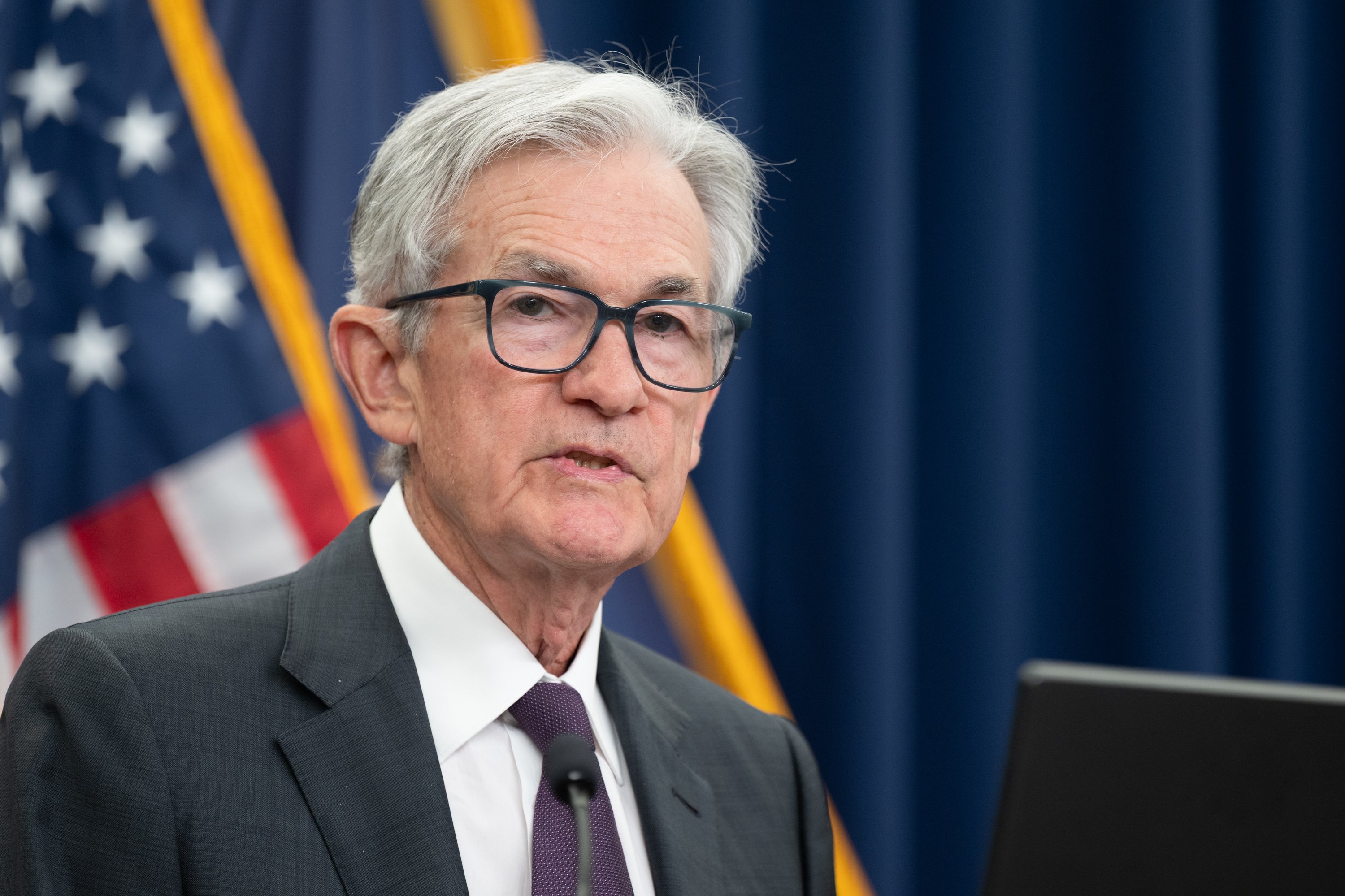
President Trump repeatedly criticized Warsh’s predecessor, Jerome Powell, for not reducing interest rates more quickly. Do investors expect that Warsh will move to slash rates immediately? I don’t think so.
The Federal Reserve Bank of Atlanta maintains a website that estimates the probability of a rate cut based on option prices on the Chicago Mercantile Exchange. This online tracker has shown a declining market probability of lower rates in recent months, even with Warsh’s confirmation hearings. Investors aren’t looking for a rate hike, though. While the Atlanta Fed’s website shows a slight uptick in the probability of a 25-basis-point rate increase, the market-implied probability is only around 6%.
So what are investors hoping to hear from Warsh in his first press conference as Fed chair? A message of stability, albeit one delivered with a different tone than in the past.
To be sure, Warsh has different ideas about how the Fed should operate than Powell and other Fed chairs have had. Investors would be fooling themselves if they thought that Warsh should bring a high level of continuity.
However, the fact that the stock market is trading near record highs suggests that no sudden Fed rate hikes are expected. Investors seem to be looking for any changes Warsh attempts to introduce to be gradual, not ones that rock the boat too much.
Potential Warsh wild cards
The market’s hopes that Warsh will be a steady hand at the wheel could be dashed. After all, we’re talking about a man who has publicly called for “regime change” at the central bank.
Warsh could be more receptive to further rate cuts than anticipated. He believes that AI has a disinflationary impact on the economy. His advocacy for using trimmed mean and median inflation rates, which exclude outliers such as price shocks from tariffs and the Iran war, could also make him more ly to want to cut rates.
But wouldn’t markets respond positively to rate cuts? Maybe, but not necessarily. Some could interpret the potential rate cuts as indicating that the Fed is concerned about the U.S. economy. Others could view any rate cut while inflation remains well above the 2% target level used in the past as a sign that the central bank has lost its political independence.
Perhaps the biggest wild card, though, is that Warsh signals an aggressive shrinking of the Fed’s balance sheet. Rapid quantitative tightening would ly affect the bond and stock markets more directly than small rate adjustments. Such a move would almost certainly catch investors off guard, especially considering that Warsh testified in his Senate confirmation hearing that the Fed’s balance sheet should be reduced “slowly and deliberatively.”
Two important ballasts
Am I predicting a stock market crash after June 17? Not at all. Although I believe there’s a reasonable chance investors won’t what Warsh has to say after the next FOMC meeting, I don’t expect any drastic, sudden policy shifts. My opinion is based on the fact that two important ballasts could hold Warsh back even if he tries to push for aggressive changes.
First, we’re in an unusual situation with Powell staying on the Federal Reserve’s Board of Governors through 2028. Some see him as a kind of “shadow chair” who could rein in any ill-advised moves by Warsh.
Second (and more importantly), Warsh must win support from enough other Fed members to implement any major policy changes. Making rate adjustments that aren’t supported by macroeconomic factors, or implementing quantitative tightening at breakneck speed, probably wouldn’t be warmly received by the majority of the other Fed governors.
What I do expect from Warsh’s first press conference as Fed chair, however, is a message that’s less communicative and less supportive of propping up the stock market as investors have become accustomed to in the past. The Warsh tenure as Fed chair could usher in more market volatility.
Read Next
•By Sean Williams
•By Adam Levy

•By Robert Izquierdo
The Trade Desk vs. Magnite: Which Tech Stock Is a Better Buy in 2026?

•By David Dierking
3 High-Yield ETFs Paying Over 4% That Are Great for Retirees

•By Robert Izquierdo
Better Health Care ETF: Fidelity’s FHLC vs. State Street’s XLV
•By Dana George
The Top 4 ETF Strategies for New Investors
About the Author

Keith Speights is a contributing Motley Fool healthcare analyst covering publicly traded companies across pharmaceuticals, biotechnology, medical devices, technology, and marijuana. Prior to The Motley Fool, Keith was CEO of Constant Care Technology, a healthcare technology company; vice president of American HealthTech, a healthcare software company; and a director of operations for Blue Cross Blue Shield of Mississippi, a health insurer. He holds a B.S. in Industrial Engineering from Mississippi State University.
Stocks Mentioned

S&P 500 Index
SNPINDEX: ^GSPC
$7,473.47
(+0.37%)+$27.75
*Average returns of all recommendations since inception. Cost basis and return based on previous market day close.
Sumber Artikel:
Fool.com

